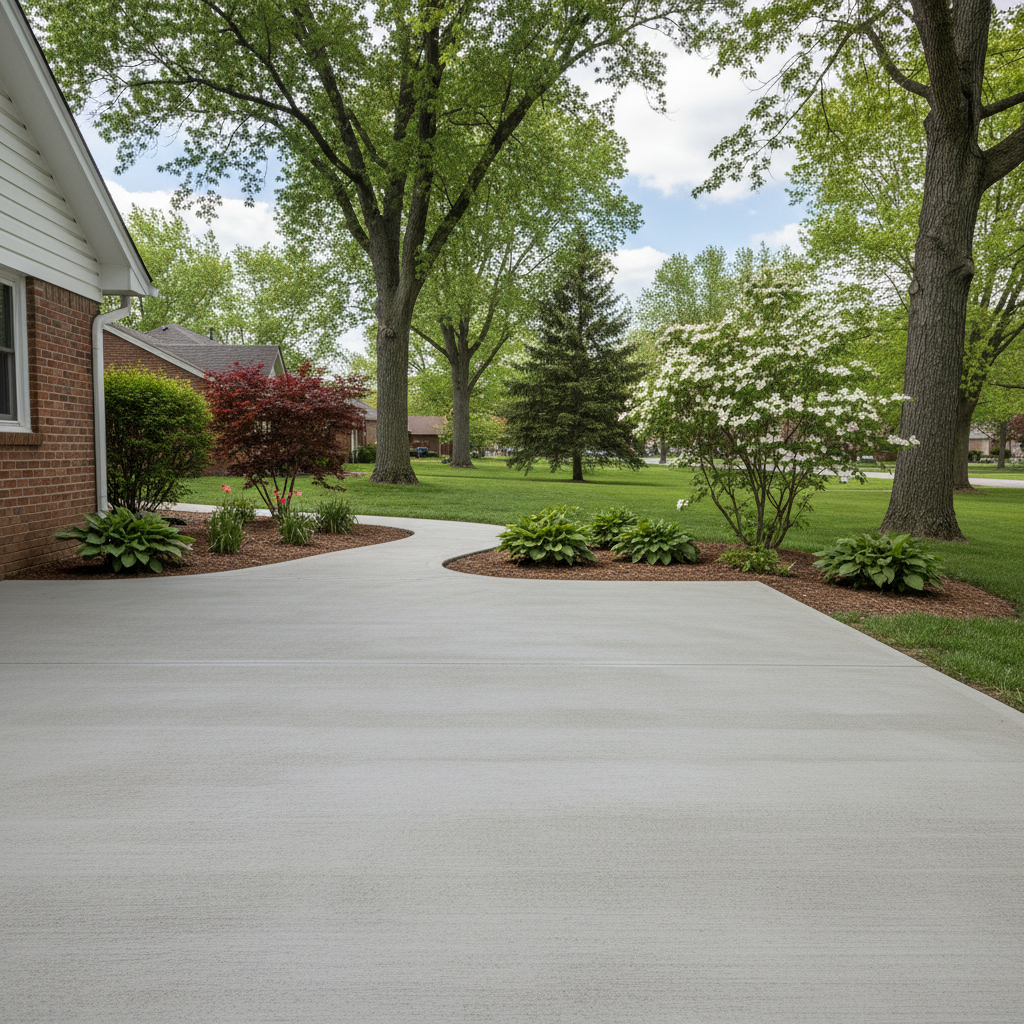
So, you've got new concrete, or maybe you're looking at an existing slab and wondering how to keep it from falling apart. Smart move. Concrete's tough, sure, but it ain't indestructible, especially not here in Kansas City with our crazy freeze-thaw cycles and clay soils. You put good money into it, so let's talk about making that investment last.
Extending Your Concrete's Lifespan
The biggest thing you can do to make your concrete last longer is to protect it from water and chemicals. Water gets into those tiny pores, freezes, expands, and then 'pop!' you've got spalling and cracks. Chemicals, especially de-icers, just speed up that whole process.
- Seal it up: This isn't optional. A good quality penetrating sealer works like sunscreen for your concrete. It pushes away water and salts, making it much harder for them to cause damage. For new concrete, you usually want to wait at least 30 days for it to cure properly before sealing. After that, plan on re-sealing every 2-3 years, or more often if it's a high-traffic area or gets a lot of salt exposure. You'll know it's time when water stops beading up on the surface.
- Proper drainage: Make sure water isn't pooling on or near your concrete. If your downspouts are dumping water right next to your driveway, extend them. If your patio slopes towards your house, that's a problem you'll want to fix. Standing water is a concrete killer.
- Be smart with de-icers: I know, winter in KC is no joke. But many de-icing salts, especially those with ammonium sulfate or ammonium nitrate, are super corrosive to concrete. They'll eat right through that surface. Stick to sand for traction, or use de-icers specifically labeled as concrete-safe, usually those with calcium chloride or magnesium chloride in moderation. Better yet, shovel early and often.
Regular Maintenance You Can Do
Beyond sealing, there's some basic stuff you should be doing to keep things looking good and prevent small issues from becoming big ones.
- Keep it clean: Sweep off dirt, leaves, and debris regularly. This stops organic matter from breaking down and staining the surface. Plus, it keeps abrasive grit from getting ground into the concrete with foot or vehicle traffic.
- Wash it down: A good rinse with a garden hose and a stiff brush (or a pressure washer on a low setting, carefully!) once or twice a year can do wonders. Just don't blast it too hard, especially if your concrete is older or has any surface damage. You don't want to etch the surface or loosen aggregate.
- Address stains quickly: Oil, grease, rust, or even spilled fertilizer can leave nasty marks. The sooner you clean them, the better your chances of full removal. There are specific cleaners for different types of stains; just make sure they're concrete-safe.
- Mind the cracks: Small cracks, especially hairline ones, are pretty normal. But if they start to widen or become trip hazards, you'll want to fill them with a quality concrete caulk or crack filler. This keeps water from getting in and making things worse.
Warning Signs of Bigger Problems
You're not a concrete expert, and you don't need to be, but you should know what to look for that signals trouble. These are the things that tell you it's time to stop DIYing and call in the pros.
- Spalling or flaking: This is when the surface of the concrete starts to chip, peel, or flake off. Freeze-thaw cycles and de-icing salts often cause it. If you see this, your concrete's protective layer is gone, and it's vulnerable.
- Large or widening cracks: Hairline cracks are one thing, but if you've got cracks wider than a quarter-inch, or if they're growing rapidly, that's a red flag. They could mean settlement issues or serious structural stress.
- Uneven settling or sinking: If one section of your driveway or patio is noticeably lower than another, or if it's sloped badly, you've got a sub-base problem. Maybe the soil underneath wasn't compacted properly, or water is washing it away. This is common in areas like the Northland with our expansive clay soils.
- Heaving: This is the opposite of settling, where sections of concrete push upwards. Again, frost heave or tree roots often cause this.
- Pitting: Small, crater-like holes on the surface. This can come from poor finishing, aggregate pop-outs, or chemical attack.
When to Call Precision Concrete
Look, I'm not going to tell you to call us for every little thing. Some of this you can handle yourself. But if you see any of those warning signs I just mentioned, or if you're just not sure what's going on, pick up the phone. Don't wait until a small crack becomes a major trip hazard or a full-blown replacement job.
We can come out, take a look, and give you an honest assessment. Sometimes it's a simple repair, sometimes it's more involved. But getting ahead of it saves you headaches and money down the road. We've seen it all, from old sidewalks in Waldo to new driveways out in Lee's Summit. We know what Kansas City concrete goes through, and we know how to fix it right.