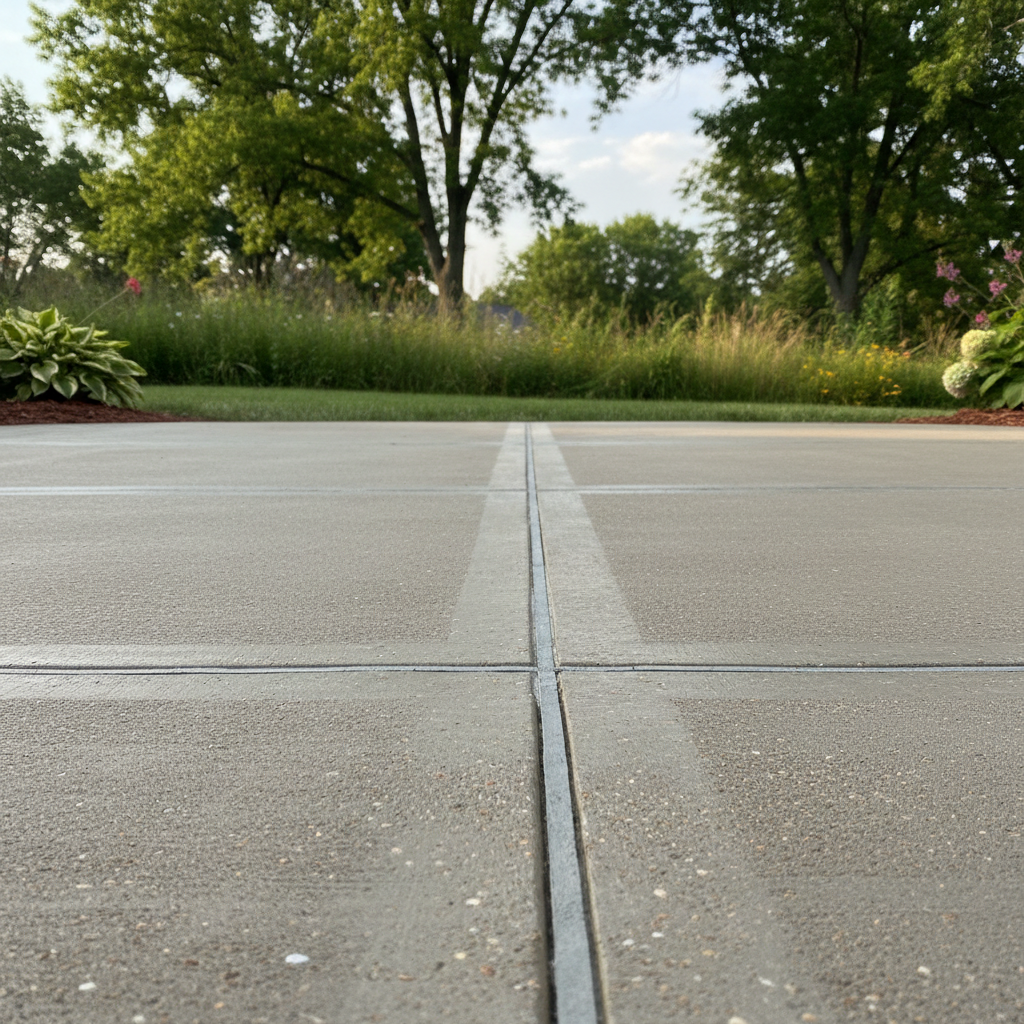
So, you're thinking about putting in some new concrete around your place. Maybe it's a fresh patio for those summer BBQs, a new driveway that doesn't look like a patchwork quilt, or just a simple walkway. It's a big investment, no doubt, and you want to get it right. I've seen a lot of concrete jobs in Kansas City over the years – good ones and bad ones – and I can tell you there's a lot to consider before you even pour the first bag of mix.
Before You Even Think About Pouring
Planning is probably the most important step. Honestly, it's where you can save yourself a ton of headaches and money down the road. First off, what are you actually trying to build? A small, simple pad for a trash can is a lot different than a 1,000 square foot driveway, right? Think about the purpose, the size, and how much traffic it'll see. A driveway needs to be thicker and have rebar; a small patio might not. Drainage is also huge, especially with our clay soils here in KC. You definitely don't want water pooling up against your foundation or turning your yard into a swamp. Make sure the area slopes away from your house, even if it's just a little bit.
Permits are another thing you can't ignore. Depending on the size and type of project, you might need one from the city. Don't skip this; it can cause real problems later if you try to sell your house, or if an inspector catches wind of unpermitted work. A good contractor will handle this for you, but if you're going DIY, it's on you.
DIY or Call a Pro? Be Realistic
This is where a lot of homeowners get into trouble. There's a big difference between mixing a few bags of concrete for a small repair and pouring a whole slab. Here's my take:
- Small, non-structural pads (like for an AC unit or a small stepping stone path): If you're handy, have the right tools, and aren't afraid of some hard work, you might be able to tackle these. You'll need to dig out the area, compact the base, set up forms, and then mix and pour. It's labor-intensive, sure, but doable for a small area.
- Walkways, small patios (under 100 sq ft, no heavy traffic): This is pushing the DIY limit for most folks. You're dealing with more volume, more precise grading, and the need for a really smooth finish. Getting a consistent mix and a level surface over a larger area is tough without experience. You'll likely need to rent a concrete mixer and some serious finishing tools.
- Driveways, large patios, foundations, anything structural: Absolutely call a pro. Seriously. This isn't a weekend warrior project. These jobs demand proper sub-base preparation, often rebar or wire mesh reinforcement, precise grading for drainage, and specialized equipment for pouring and finishing. One mistake here and you'll have cracks, drainage issues, or an uneven surface that'll annoy you for years. Plus, concrete sets fast, so you need a crew that knows what they're doing to get it right before it hardens. Precision Concrete has seen too many DIY driveway disasters to count.
Even if you're doing a small DIY job, rent or borrow the right tools. A good shovel, a tamper, a level, a straight edge (screed board), and a float are essential. Don't try to make do with whatever's in your garage.
During the Pour: Don't Rush It
If you're going the DIY route for a small project, make sure you have enough help. Concrete work is physically demanding and time-sensitive. Once the truck shows up (or you start mixing), you're on the clock. Work quickly but carefully. Make sure your forms are solid and level. Get the concrete spread, screeded, and floated as smoothly as you can. Don't add extra water to the mix to make it easier to work with; that just weakens the concrete and leads to problems down the road.
If you hired a pro, stay out of their way but feel free to ask questions. A good contractor will be happy to explain what they're doing.
After the Concrete is Poured: Curing is Key
Once the concrete is down and finished, the work isn't over. Curing is critical for strength and durability. You need to keep the concrete moist for at least 7 days, sometimes longer depending on the mix and weather. This means covering it with plastic sheeting, burlap that you keep wet, or using a curing compound. Don't let it dry out too fast, especially during our hot, dry Kansas City summers. Rapid drying leads to cracking and a weaker slab.
Also, stay off it! For light foot traffic, give it at least 24-48 hours. For vehicles, you're looking at 7 days minimum, but 28 days is when it reaches its full strength. Don't drive your truck onto a brand new driveway after just a few days; you'll regret it.
Taking the time to plan, being honest about your DIY skills, and properly curing your concrete will make a huge difference in how long your new project lasts. It's an investment, so treat it like one.