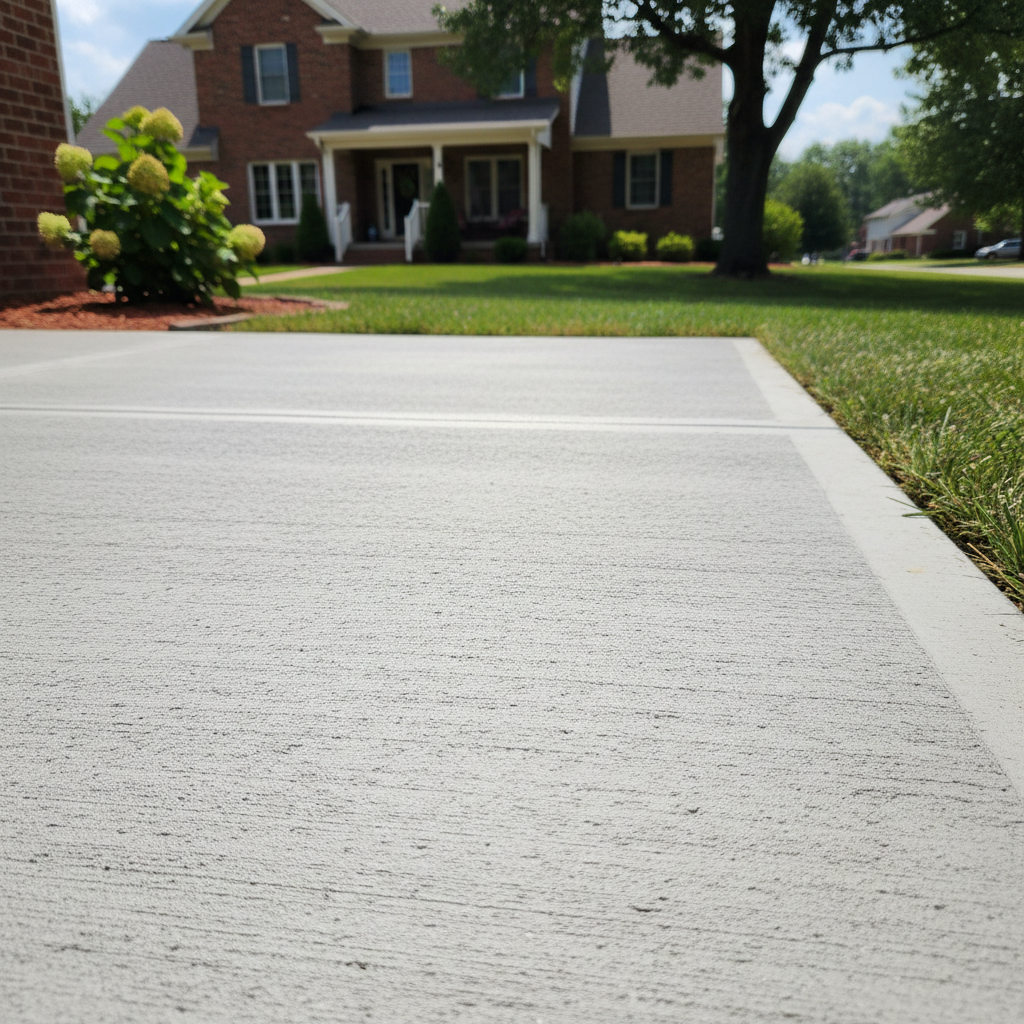
Alright, let's talk concrete flatwork. I get a lot of calls and questions from folks all over Kansas City, from Brookside to the Northland, about their driveways, patios, and sidewalks. It's not always clear what's normal, what's a problem, or what you should expect when you're looking to get something done. So, I figured I'd tackle some of the most common questions I hear. This isn't marketing fluff; it's just what I've learned doing this work for years right here in KC.
How long does new concrete flatwork actually last?
This is a big one, and the honest answer is: it depends. A well-installed concrete driveway or patio should give you 20 to 30 years, maybe even more, if it's done right and you take care of it. But 'done right' is key. That means proper sub-grade preparation – making sure the ground underneath is stable and compacted. Here in Kansas City, we've got some tricky clay soils that expand and contract with moisture, so ignoring that step is a recipe for early failure. It also means using the right concrete mix, the proper thickness for what you'll be using it for (a driveway needs to be thicker than a sidewalk, obviously), and correct curing. If corners are cut, you'll see problems a lot sooner. Think 5-10 years instead of 20-30. Maintenance plays a role too – sealing it every few years definitely helps protect it from our harsh winters and hot summers.
When can I drive or walk on my new concrete?
You're excited, I get it. You want to use your new driveway or patio. For walking, you can usually step on it lightly after about 24 hours. But for anything heavier, like parking your car? You really need to wait at least 7 days. Concrete doesn't reach its full strength for about 28 days, but after a week, it's typically strong enough to handle vehicle traffic without damage. Trying to drive on it too soon can cause permanent indentations, cracks, or surface damage that you just can't fix later. It's like baking a cake – you wouldn't take it out of the oven early, would you? Give it time to set up properly. Precision Concrete always gives clear instructions on this, because we want your new flatwork to last.
What's the deal with all the cracks in my concrete? Is that normal?
Okay, this is probably the most common question I get. Let's be real: concrete cracks. It's not 'if' it cracks, it's 'when' and 'how much'. Concrete shrinks as it dries and cures, and that shrinkage causes stress. Control joints (those lines sawed or troweled into the concrete) are there to give the concrete a designated place to crack, ideally in a straight, less noticeable line. If the joints aren't placed correctly, the concrete mix is too wet, or it cures too fast, you'll see more random cracking. Hairline cracks are pretty normal and usually not a structural concern. Wider cracks, cracks that are uneven, or cracks that are 'heaving' (one side higher than the other) are more serious and might point to a sub-grade issue or a bigger problem that needs attention. Don't panic over every tiny line, but don't ignore significant ones either.
Do I really need to seal my concrete?
Short answer: Yes, you absolutely should, especially here in Kansas City. Our weather is brutal on concrete. We get freezing and thawing cycles all winter, hot sun all summer, and plenty of rain in between. Sealing your concrete provides a protective barrier against moisture getting in, which is the main culprit for freeze-thaw damage. It also helps protect against stains from oil, grease, and other spills. Think of it like sunscreen for your skin, or a clear coat on your car. It's not a one-and-done thing; you'll want to reapply a good quality sealer every 2-5 years, depending on the type of sealer and how much traffic the concrete gets. It's a small investment that really extends the life and appearance of your flatwork.
What's the difference between concrete and asphalt for a driveway?
Good question. They're both common, but they're very different materials. Concrete is rigid; it's made from cement, aggregates (like sand and gravel), and water. We pour it as a liquid, and it hardens into a very strong, durable slab. It typically lasts longer than asphalt, needs less frequent maintenance (though sealing is still important), and generally looks a bit more upscale. Asphalt, on the other hand, is flexible. It's made from aggregates bound together with bitumen (a petroleum product). It's laid hot and compacted. Asphalt is usually cheaper to install upfront, and it's easier to patch, but it needs more regular maintenance like crack filling and resealing every few years. It also tends to soften in extreme heat and can get damaged by heavy loads more easily. For most homeowners, concrete offers better long-term value and aesthetics, but asphalt has its place, especially for longer, less-trafficked driveways.
How do I prevent my concrete from getting stained or looking dirty?
Keeping your concrete looking good isn't rocket science, but it does take a little effort. First, that sealer I just talked about? That's your best defense against stains. Beyond that, regular cleaning helps a lot. A simple sweep to remove leaves and dirt, and then a good rinse with a hose, can prevent a lot of buildup. For tougher spots, a pressure washer with a mild detergent can work wonders, but be careful not to use too high a pressure or get too close – you can damage the surface. Don't let oil spills sit; clean them up as quickly as possible. Kitty litter or sawdust can absorb fresh spills, then scrub with a degreaser. For rust stains, there are specific rust removers you can buy. The key is prevention and quick action. Don't let things sit and bake into the concrete for weeks or months.
Hopefully, this clears up some of the common questions you might have about your concrete flatwork. If you've got more specific issues or are looking to start a new project, don't hesitate to reach out. We're always happy to help folks in the Kansas City area understand their options and get the job done right.