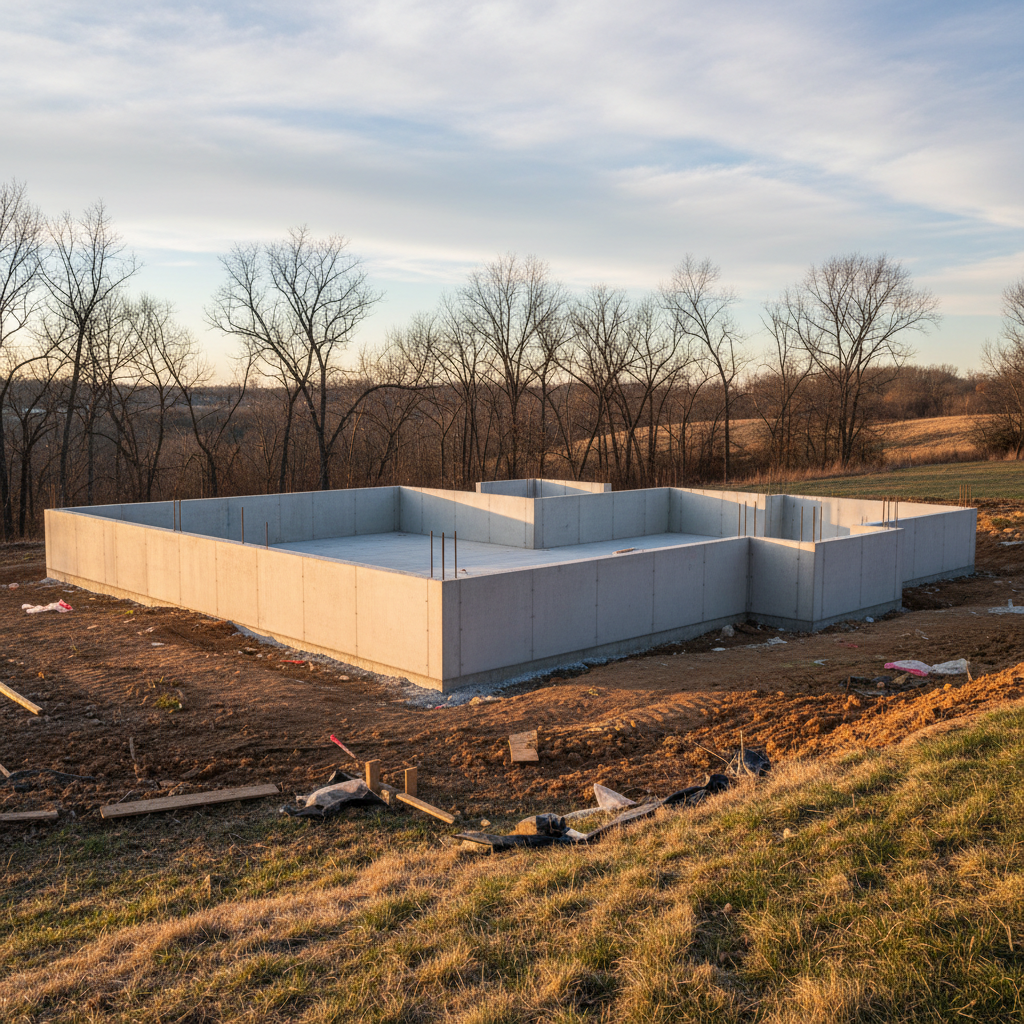
Kansas City Weather & Your Concrete Foundation
So, you've either got a concrete foundation already, or you're thinking about putting one in. Either way, you're probably wondering about the best time to tackle the job and how to keep it in good shape, especially with our wild Kansas City weather. I've been pouring concrete around here for years, and believe me, I've seen it all. From scorching summers to icy winters, our climate really puts concrete through its paces.
The main thing to get your head around is that concrete isn't just some rock-solid slab; it's a material that reacts to both temperature and moisture. When it's too hot, too cold, or too wet, that can cause real headaches during installation and even long after it's set. That's why timing is absolutely crucial.
The Best Time for Concrete Work in KC
If you're planning a new foundation, a big repair, or even just a new patio, the sweet spot for concrete work in Kansas City is usually spring and fall. Why those times?
Spring (April to early June): The ground thaws out, temperatures are generally mild, and we usually get enough rain to keep things moist without totally waterlogging the site. This lets the concrete cure slowly and evenly, which, in turn, makes for a stronger, more durable product. You also skip the extreme heat that can dry out concrete way too fast, often leading to cracks.
Fall (September to early November): Just like spring, fall brings those perfect moderate temperatures. The ground is usually still warm from summer, which helps with the curing process. You're also past the worst of the summer humidity and ahead of the really deep freezes. Just keep an eye out for those early cold snaps; you definitely don't want fresh concrete freezing before it's had a chance to set properly.
Now, can you pour concrete in summer or winter? Sure, we do it. But it demands a lot more precautions, and sometimes, frankly, it's just not ideal. In summer, you're fighting rapid drying, so we might need to use special admixtures or keep the concrete wet longer. In winter, you're battling freezing, which can absolutely ruin fresh concrete. We'd have to bring in heaters, insulated blankets, and special cold-weather mixes, all of which add to the cost and complexity. It's totally doable, but it's not our first choice if you have some flexibility in your schedule.
Protecting Your Concrete Investment Year-Round
Once your foundation is in, your job isn't quite finished. You've got to protect that investment, right? Here's what I always tell people:
Drainage is King: This is probably the most critical thing, especially around here. Our clay soils, particularly in older neighborhoods like Waldo or Brookside, can swell and shrink dramatically with moisture changes. If water is pooling around your foundation, you're going to run into problems. Make sure your gutters are clean, downspouts extend several feet away from the foundation, and the ground slopes away from your house. I really can't stress this enough — proper grading prevents so many headaches down the road.
Seal It Up: Think of sealing as sunscreen for your concrete. A good quality sealant, applied every few years, protects against moisture getting in, those nasty freeze-thaw cycles, and just general wear and tear. It'll keep your concrete looking better and lasting longer. We often suggest this for driveways and patios, but it's smart practice for any exposed concrete.
Watch for Cracks: Small hairline cracks are pretty normal; concrete shrinks a bit as it cures. But if you start seeing cracks that are widening, showing vertical displacement (meaning one side is higher than the other), or seem to be growing fast, that's a red flag. Don't ignore them. Get them checked out by a pro. Sometimes it's a simple fix, but other times it can point to a bigger issue with settlement or soil movement.
Mind the Landscaping: While they look nice, certain trees and shrubs planted too close to your foundation can cause trouble. Roots can press against the concrete, and thirsty plants can suck moisture out of the soil unevenly, which leads to settlement. Keep larger plantings a good distance away from the house.
Clear Ice and Snow Carefully: When winter hits and you're fighting ice, be careful with de-icing salts. Many common de-icers, especially those with ammonium sulfate or ammonium nitrate, can damage concrete over time. Look for products that are concrete-safe, or just stick to sand for traction. Shovel snow promptly to prevent prolonged moisture exposure.
Taking care of your concrete foundation isn't a one-and-done deal. It's about understanding our local climate and taking proactive steps. If you've got questions or you're seeing something that worries you, don't hesitate to reach out. We're Precision Concrete, and we're here to help Kansas City homeowners keep their homes on solid ground.