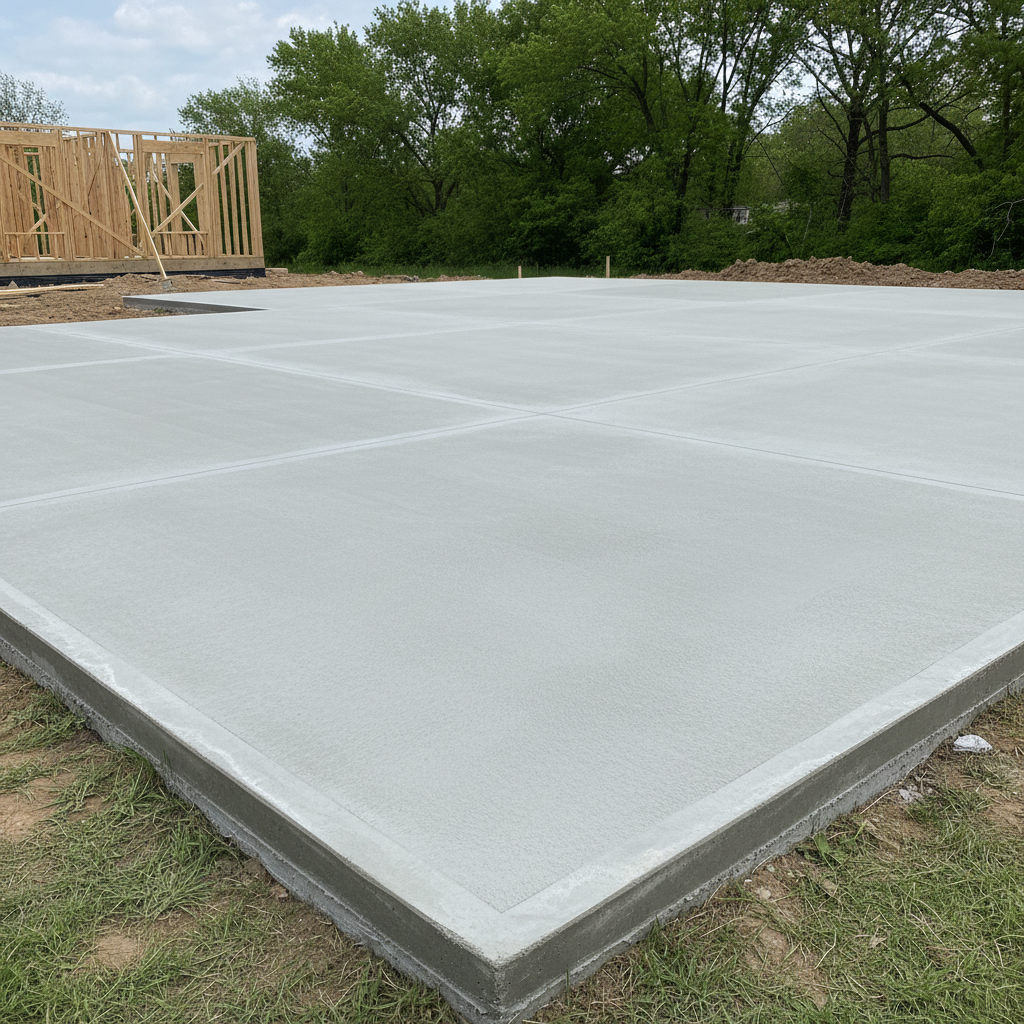
Your home's foundation? It's not something you probably think about every single day, but it's literally holding up your entire world. Here in Kansas City, with our wild freeze-thaw cycles and those expansive clay soils, taking care of your foundation isn't just a good idea — it's absolutely essential. You want that thing to last, right? So, let's chat about how to make sure it does.
Making Your Foundation Last Longer: Easier Than You'd Think
Around here, the biggest enemy of a concrete foundation is water. Too much of it, or water that isn't draining correctly, causes all sorts of headaches. It can make the soil expand and then contract, which puts immense pressure on your foundation walls. That's how cracks start, and believe me, small cracks can quickly become big, big problems.
- Good Drainage is Key: Make sure your gutters are clean, for starters. And those downspouts? They need to extend at least five feet away from your foundation. I've seen countless issues kick off just because downspouts were dumping water right next to the house. You're basically inviting trouble, plain and simple.
- Proper Grading: The ground around your house should always slope away from the foundation. If it slopes towards it, you're essentially creating a swimming pool for your foundation walls every time it rains. What you're aiming for is usually a gentle slope, about six inches over ten feet.
- Control Vegetation: Trees and large shrubs too close to the foundation can be a real mixed bag. Their roots might put pressure on the concrete. Plus, they can suck a ton of moisture out of the soil, causing it to shrink. Keep them a reasonable distance away, okay?
- Seal Cracks Early: If you spot small, non-structural cracks (we'll get to those in a minute), seal them up quickly. This stops water from sneaking in and making things worse, especially when that water freezes and expands, which it will.
What Regular Foundation Maintenance Looks Like
You don't need to get down there with a magnifying glass every week, but a quick check a few times a year can save you a lot of grief. Think of it like changing the oil in your car — it's preventative maintenance, pure and simple. I usually tell folks to do a check in the spring after the snow melts, and then again in the fall before winter really sets in.
- Walk Around Your House: Take a good look at the exterior foundation walls. Any new cracks? Has an existing crack grown bigger?
- Check Your Gutters and Downspouts: Are they clear? Are they actually directing water far enough away from the house?
- Observe Water Flow: The next time it rains hard, grab an umbrella and head outside. See where the water is going around your house. Is it pooling anywhere near the foundation? That's a red flag.
- Inspect Your Basement or Crawl Space: Look for any signs of moisture, like damp spots, mold, or that white, powdery stuff on concrete called efflorescence. Also, check for cracks on the interior walls.
It's not rocket science, honestly; it's just paying attention. A little bit of observation goes a very long way.
Warning Signs You Shouldn't Ignore
Some cracks are just cosmetic, no biggie. But others? They're a really big deal. Knowing the difference can save you a ton of worry and money. Here’s what I’ve seen homeowners miss that often turns into a real problem.
- Horizontal Cracks: These are almost always a sign of serious structural stress. If you see a crack running parallel to the ground, especially in a basement wall, call someone. Seriously, don't wait.
- Stair-Step Cracks in Masonry: If you have a brick veneer or a block foundation, cracks that follow the mortar joints in a stair-step pattern can point to differential settlement.
- Vertical Cracks That Are Wide or Widening: A thin hairline vertical crack might just be shrinkage, which is normal. But if it's wider than a credit card, or you notice it getting bigger over time, it's definitely time for a professional opinion.
- Bowing or Bulging Walls: If your basement walls aren't straight anymore, they're under immense pressure from the outside soil. This is a critical issue that needs immediate attention.
- Doors and Windows Sticking: If doors and windows that used to open and close smoothly are now getting stuck, or you see gaps around their frames, it could be a sign your foundation is shifting.
- Cracks in Drywall or Ceilings: Especially if they're long, continuous cracks, or if they just appear out of nowhere.
- Sloping Floors: If you feel like you're walking downhill in part of your house, that's a pretty clear sign of foundation movement.
These aren't things you should ever ignore. Our clay soils in places like the Northland or over in Johnson County can really move, and that movement can put a lot of stress on your home's structure.
When to Call a Professional (Like Us at Precision Concrete)
Look, I'm a contractor, so of course I'm going to tell you to call a professional sometimes. But honestly, it's about knowing when something is truly beyond a DIY fix. If you see any of those serious warning signs I just mentioned — horizontal cracks, bowing walls, major sticking doors — that's your cue. Don't try to patch over a structural issue yourself; you're just putting a band-aid on a broken bone, you know?
You should also call us if you're just not sure what you're even looking at. Sometimes a small crack is nothing, sometimes it's the tip of an iceberg. A quick inspection from someone who knows what they're looking for can give you peace of mind, or catch a problem before it gets completely out of hand. We've seen it all, from minor settlement to major structural repairs, and we can tell you what's going on and what your options are. It's always better to know for sure.