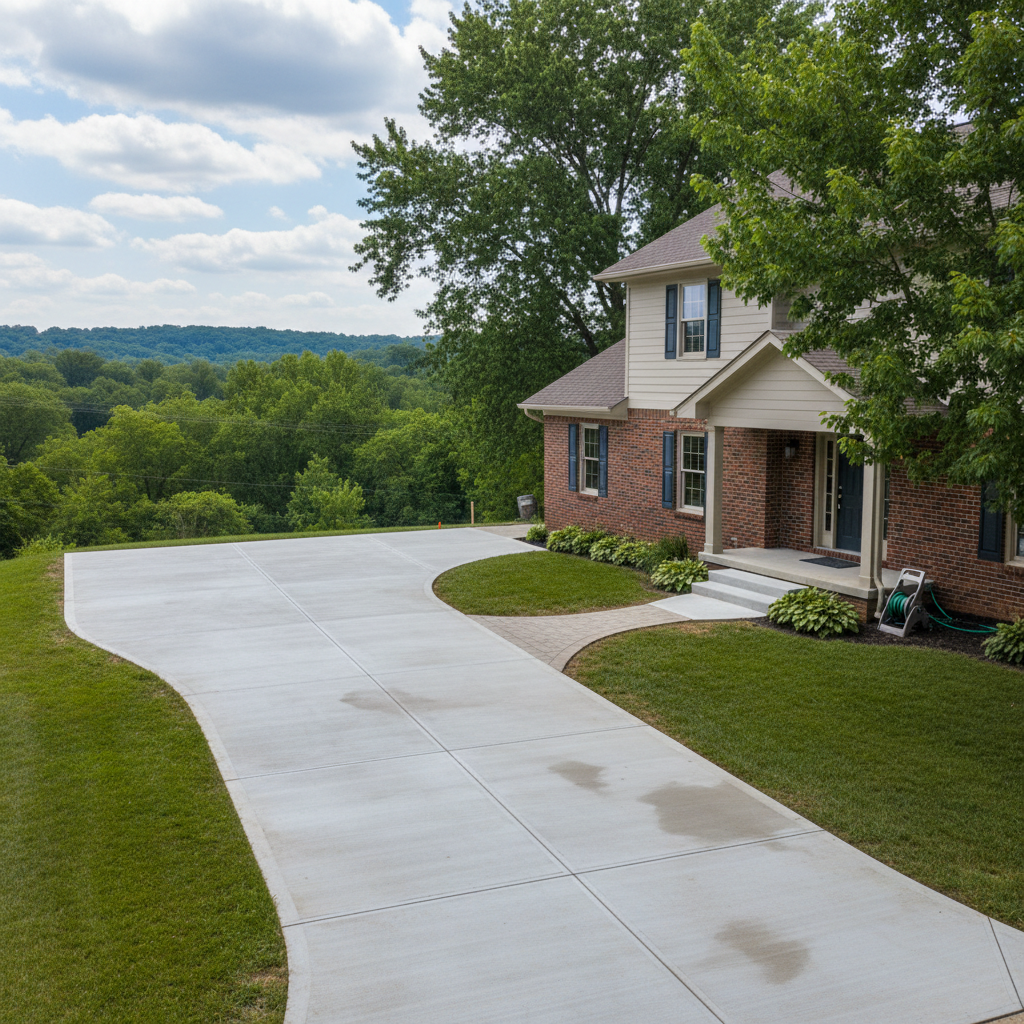
Got some concrete around your house that's seen better days? Maybe it's a cracked sidewalk, a garage floor flaking apart, or a patio that's sinking faster than the Chiefs' opponents in the fourth quarter. Whatever the problem, you're probably wondering what it takes to get it fixed right. I've been doing this for a while here in Kansas City, and I've seen all sorts of projects, big and small. Planning ahead makes a huge difference, not just for your peace of mind, but for the final result too. Let's break down what you need to think about.
Setting the Timeline: What to Expect
People often ask me, "How long will this take?" My answer? Well, it depends. But I can definitely give you a general idea. From your first call to the finished product, you're usually looking at a few weeks to a couple of months. Bigger jobs, or projects during our busiest seasons, can sometimes take longer. Here's a rough breakdown:
- Initial Contact & Site Visit (1-2 weeks): You give us a call, and we'll set up a time to come out and look at your concrete. This isn't just a quick glance; we're really assessing the damage, figuring out the cause, and taking measurements.
- Quote & Contract (1-2 weeks): After our visit, we put together a detailed quote. You'll get to review it, ask any questions you have, and once you're comfortable, we sign a contract. Seriously, don't rush this part.
- Scheduling the Work (2-6 weeks): This is where things can really vary. Good contractors are busy, especially in spring and fall when the weather's just right. We'll get you on the schedule, but please understand there might be a bit of a wait.
- The Work Itself (1 day to 1 week+): Most smaller repairs, like patching or resurfacing a small area, might take a day or two. Replacing a whole driveway? That's going to be several days of work, sometimes a week or more depending on its size and how complicated it is.
- Curing Time (Days to Weeks): This part is critical and often gets overlooked. New concrete needs time to cure and get strong. You can't just drive on it the next day, you know? We'll give you specific instructions, but generally, plan for light foot traffic in 24-48 hours, and vehicle traffic in 7-10 days—sometimes longer for it to reach full strength.
So, if you're thinking about getting that patio fixed before your summer BBQ, don't wait until June to call us. Start planning in early spring.
What Happens During the Repair Process?
Once we're on site, here's a general idea of what you'll see us doing:
- Preparation: This step is huge. We'll clear the area, remove any old, damaged concrete if it's a replacement job, and prepare the sub-base. That might involve grading, compacting soil, or adding gravel. If we're just repairing cracks, we'll clean them out thoroughly.
- Formwork (for replacements): If we're pouring new concrete, we'll set up forms to hold the concrete in place and define its shape.
- Reinforcement: Depending on the project, we might lay down rebar or wire mesh to add strength and help prevent future cracking. This is especially important for driveways or any structural slabs.
- Pouring/Applying Material: We'll pour the new concrete or apply the repair material. For concrete lifting (mudjacking or polyjacking), you'll see us drilling small holes and injecting material underneath the slab to raise it.
- Finishing: This is where the magic happens. We'll float and trowel the surface to get it smooth, level, and to the texture you want. We'll also cut control joints to help manage where any future cracks might form.
- Cleanup: We don't just pack up and leave a mess. We'll clean up the work area, leaving your property as tidy as we found it.
It's a process, and sometimes it can look a little messy before it looks great. Don't be shy about asking questions while we're working; we're happy to explain what we're doing.
How You Can Prepare for the Project
You've got a role to play too! A little preparation on your end can make things go a lot smoother for everyone:
- Clear the Area: Move patio furniture, potted plants, grills, toys — anything that's on or near the concrete we're working on. If it's a driveway, make sure all vehicles are out of the way.
- Provide Access: Make sure we have a clear path to the work site for our equipment and materials. If you have a gate, make sure it's unlocked or removed.
- Mark Sprinkler Heads/Utilities: If you have underground sprinklers or invisible dog fences near the work area, please mark them clearly. We'll do our best to avoid them, but knowing exactly where they are helps a lot.
- Manage Pets & Kids: Keep pets and children away from the work zone. It can be noisy, dusty, and there will be equipment and wet concrete. Safety first, always!
- Plan for Disruption: Understand that certain areas might be inaccessible for a short period. If we're fixing your front walkway, for example, you might need to use a different entrance for a day or two.
- Talk to Your Neighbors: Especially for bigger jobs, it's good practice to give your immediate neighbors a heads-up about potential noise or increased traffic from our trucks.
A little communication and preparation go a long way in keeping everyone happy.
Questions to Ask Before You Sign the Contract
This is crucial. You're making an investment, and you want to make sure you're working with the right people. Here's what I'd ask any contractor, including us at Precision Concrete:
- What's your experience with this specific type of repair? Not all concrete work is the same. You want someone who knows how to handle your particular issue.
- Can you provide references? A good contractor will be happy to share contact info for past clients.
- Are you licensed and insured? This is non-negotiable. Ask for proof. You don't want to be liable if something goes wrong.
- What exactly is included in the price? Get a detailed breakdown. Does it include excavation, material, labor, cleanup, and disposal? Are there any potential hidden costs?
- What kind of materials will you use? Ask about the concrete mix, any additives, or specific repair products. For example, if you're in an older KC neighborhood with clay soil, proper sub-base prep is vital.
- What's your warranty? Understand what's covered, for how long, and what voids the warranty.
- How will you protect my property during the work? Will they lay down tarps, protect landscaping, etc.?
- What's the payment schedule? When are deposits due, and when is final payment expected?
- What's the estimated start and completion date? Get this in writing.
- Who will be my main point of contact? You want to know who to call if you have questions or concerns.
Don't be afraid to ask tough questions. We expect it, and it shows you're a smart homeowner. Doing your homework now will save you headaches down the road and ensure your concrete repair project goes smoothly.